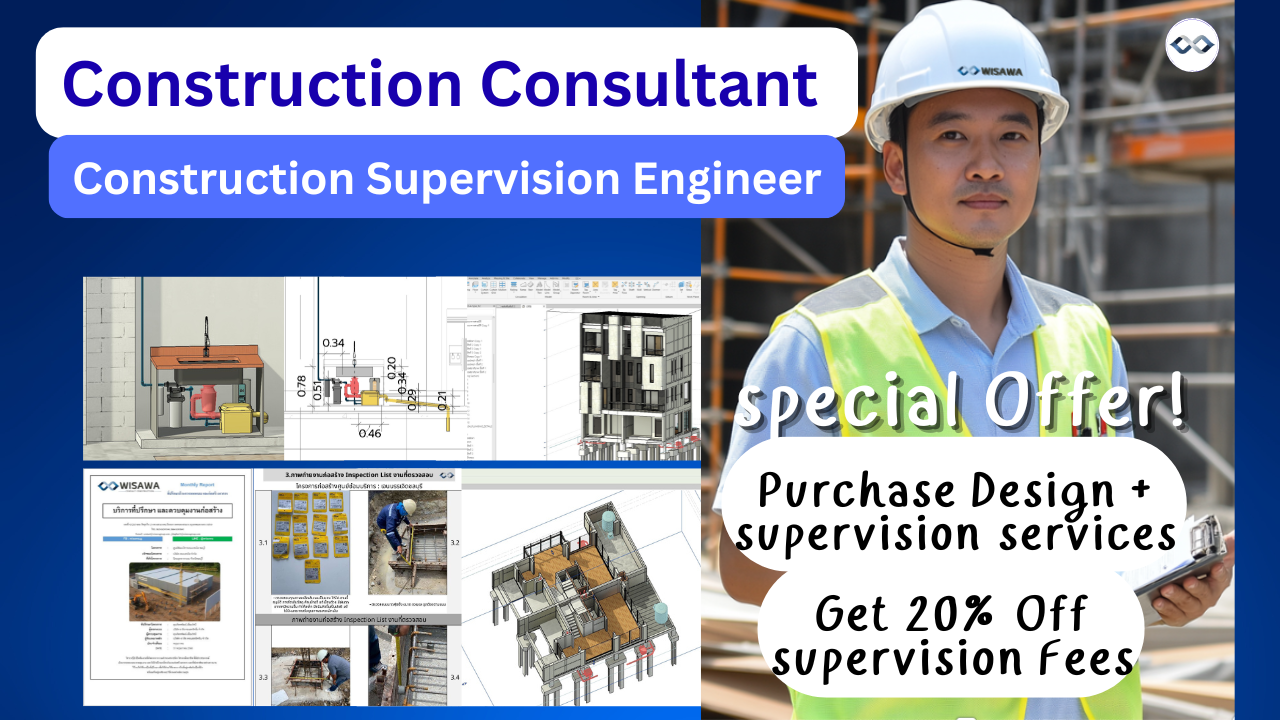
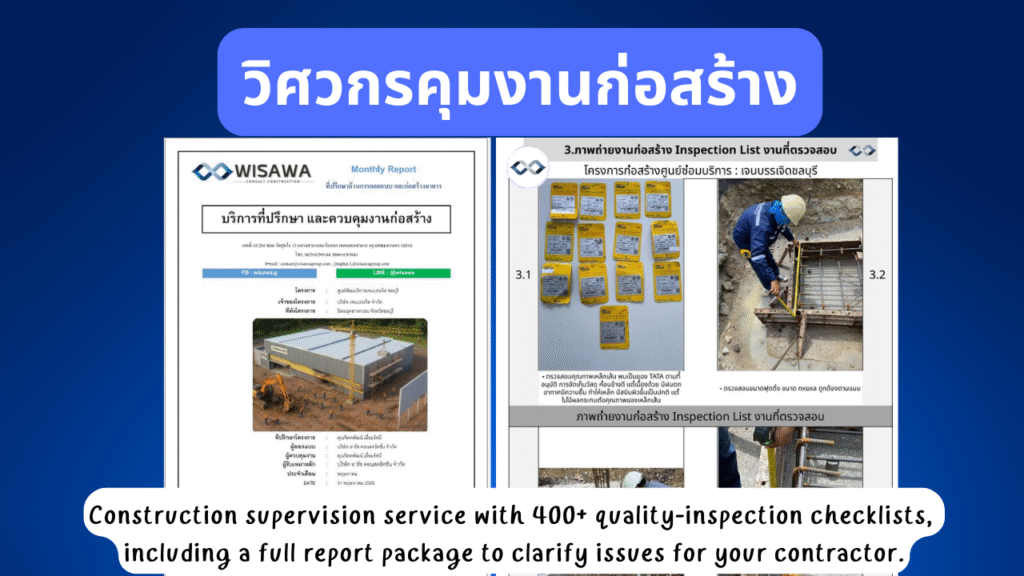
CM, or Construction Management, refers to providing full-service construction consulting and supervision. Construction involves many activities happening simultaneously, and the more complex the functions of a house or building are, the higher the chances of errors. That is why we specialize in this field—to manage these issues on your behalf.
Our team of skilled architects and engineers has extensive experience in construction consulting and full-scale construction management. Let our construction consultants take care of your important project.
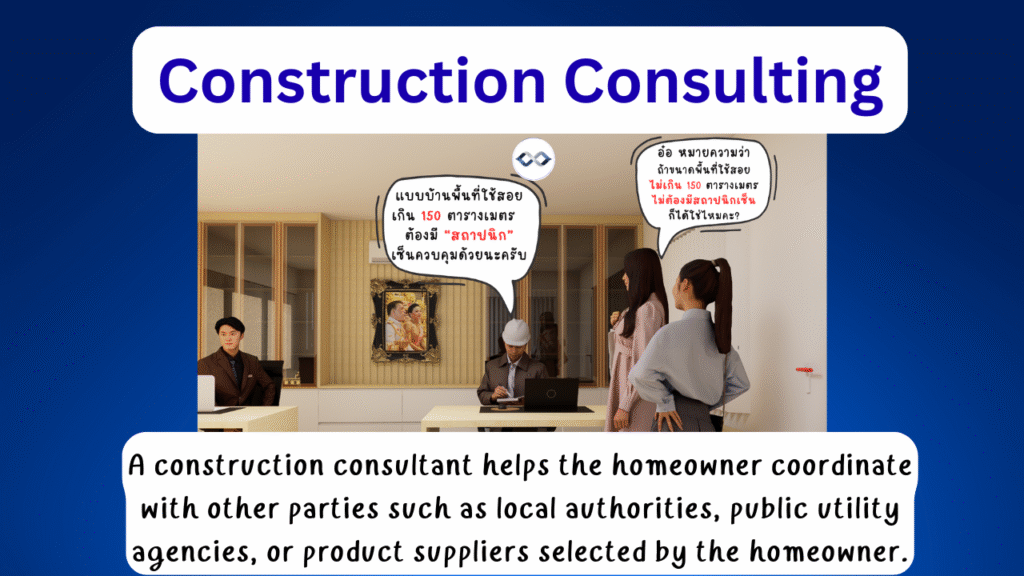
Tips : Whether it’s a residential home, commercial building, factory, or a large-scale project, construction work is filled with details and complex processes—from planning, design, contractor selection, and budget control, to quality inspection at every stage. For this reason, a “Construction Consulting Company,” also known as Construction Management (CM), plays a crucial role as the Owner’s Representative throughout the project.
Tips : A key role of a construction consultant is to review the BOQ (Bill of Quantities), assess the suitability of materials and labor, verify pricing, compare it with the original project plan, and analyze potential risks.
Tips :The benefits of having a construction consulting firm in your project include: 1. Reducing the owner’s workload and complexity. The project owner can delegate all construction-related coordination and communication to the consultant, allowing them to focus their time on other important matters. >> read more
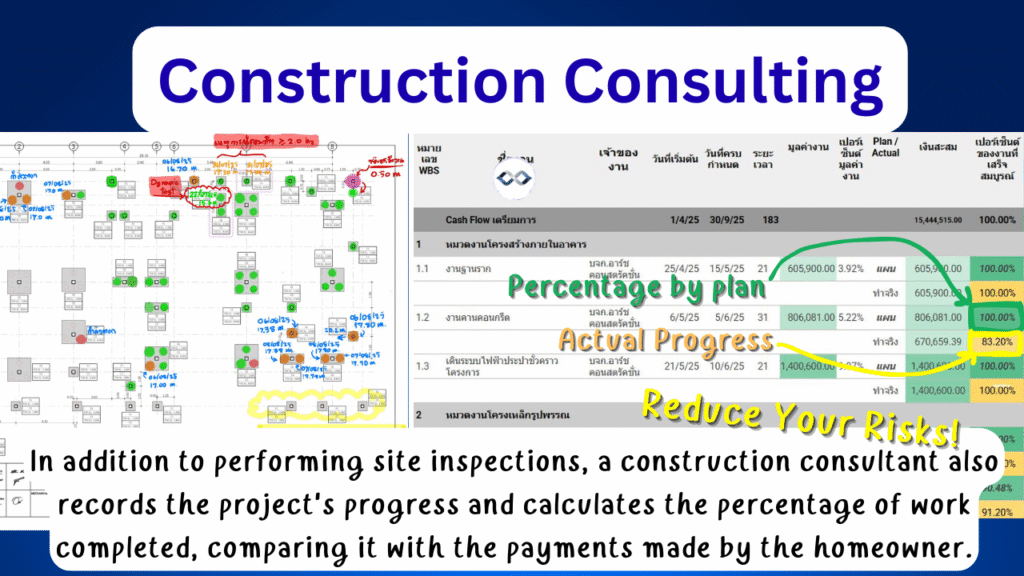
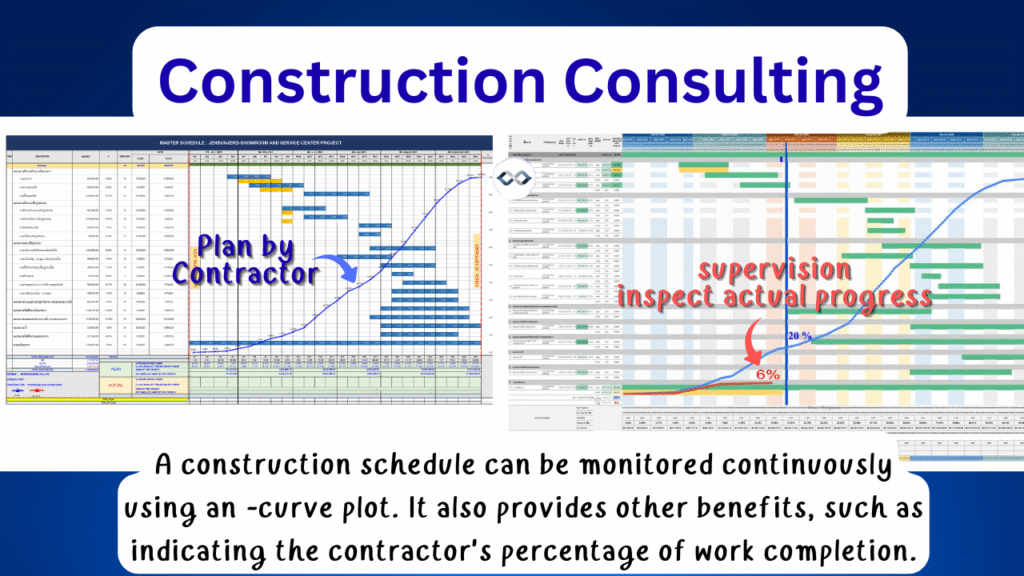
Tips : Construction consultants or supervising engineers prepare S-Curve charts to compare the planned schedule with actual progress. When the actual curve falls below the planned curve, it indicates a project delay. The supervising engineer must then analyze the root causes—such as material procurement issues, delays in work handover from the main contractor to subcontractors, weather conditions, or other project constraints. >> read more
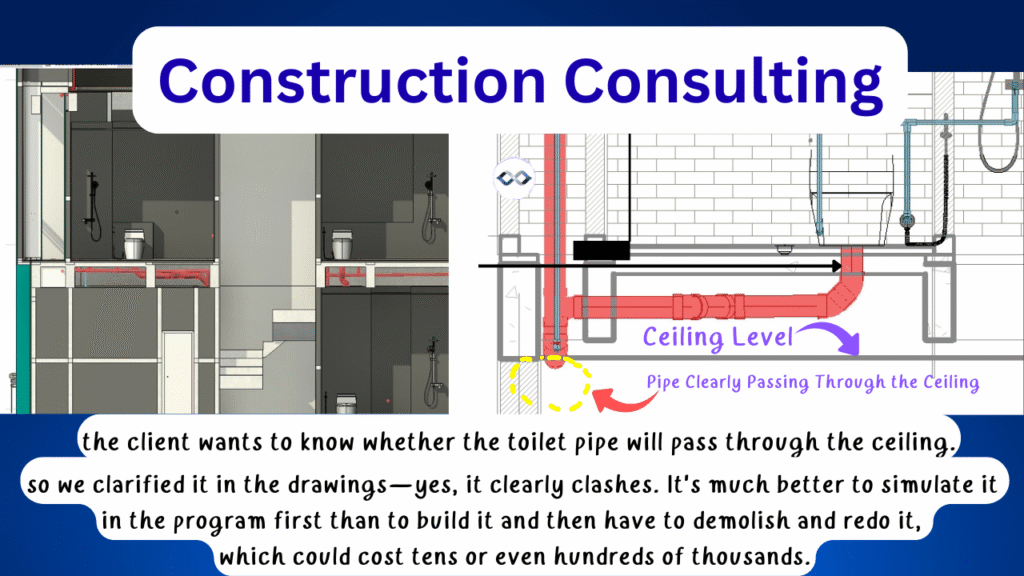
Tips :What Are Construction Drawing Conflicts? Construction drawing conflicts occur when different sets of project drawings—such as Structural Drawings, Architectural Drawings, and MEP (Mechanical, Electrical, and Plumbing) Drawings—contain inconsistencies or do not align with one another. For example, a column, beam, or slab shown in the structural drawings may not match the architectural layout, or MEP elements like plumbing or electrical conduits may clash with major structural components. >> read more
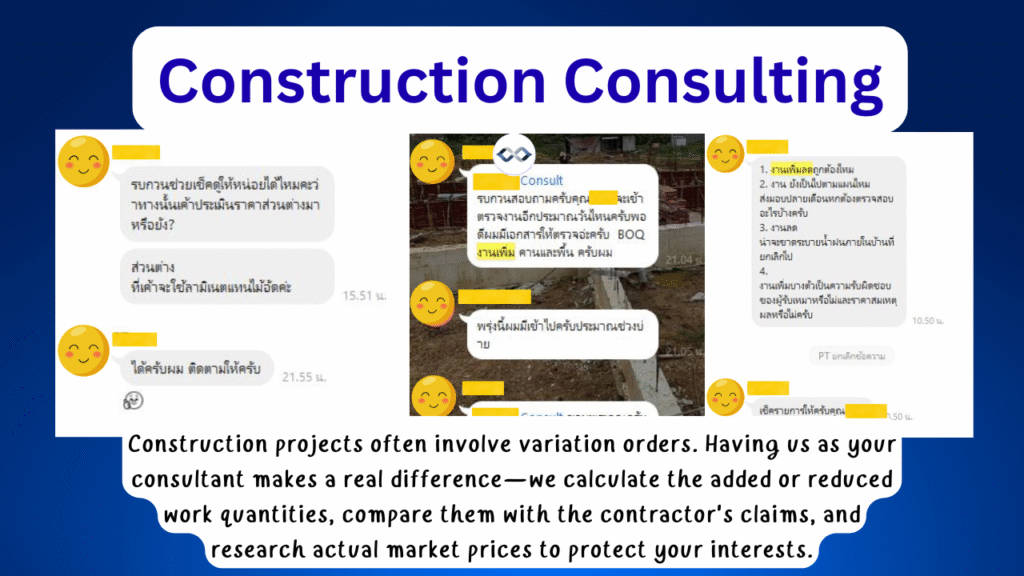
Tips : In construction projects, changes often occur during execution, commonly referred to as “variation orders” (additions or reductions). It is the responsibility of the construction consultant to review the documentation related to these variations, calculate the revised work quantities, assess the associated costs, negotiate as needed, and prepare the final summary.>> read more
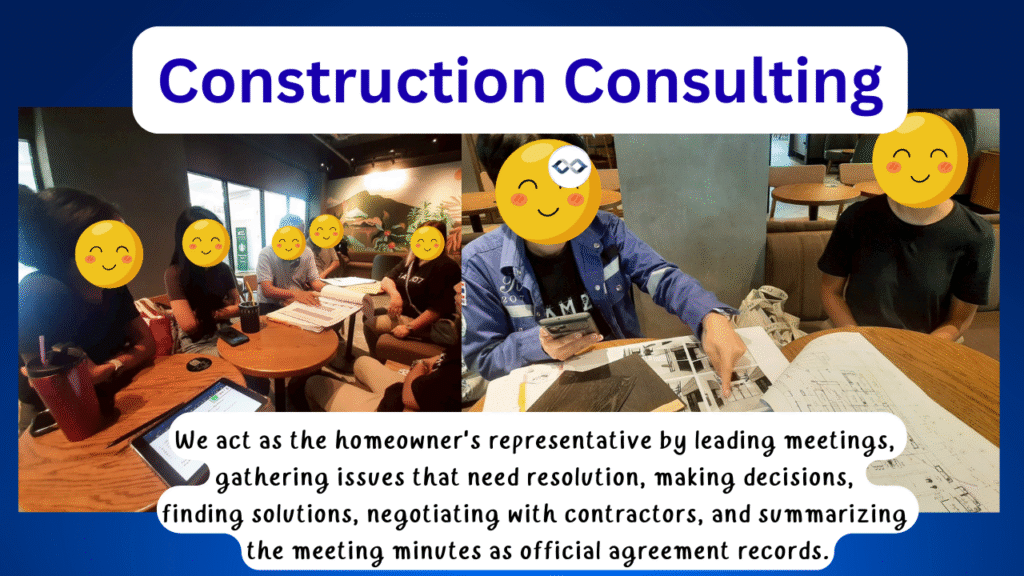
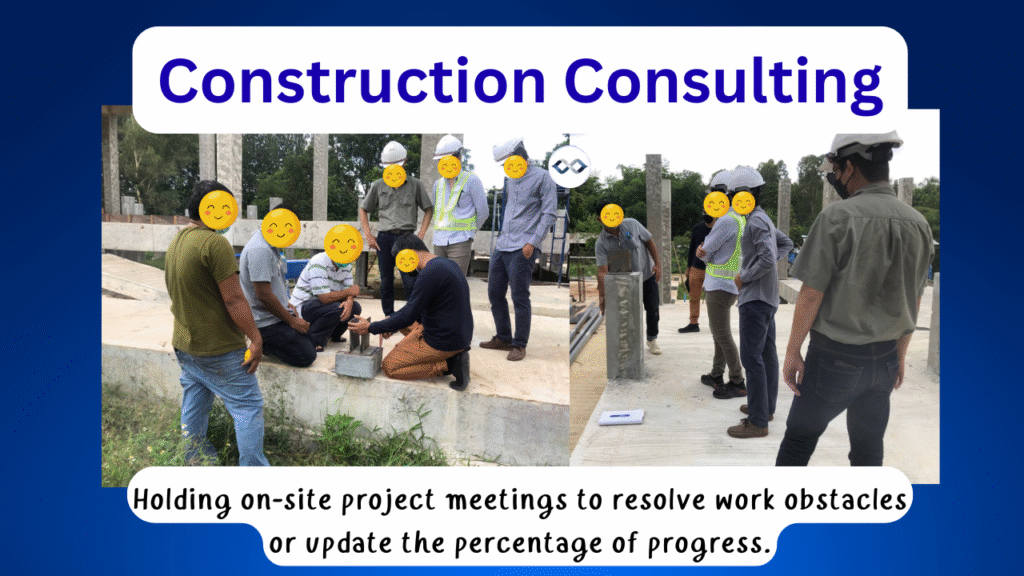
Tips : Weekly or monthly project meetings are essential tools that allow the project owner, contractors, designers, and all involved teams to review updates, track progress, and summarize the project status. These meetings ensure everyone has the same understanding of current information and can resolve issues quickly and accurately. The construction consultant plays a key role in planning, organizing, and facilitating these meetings.
Tips : The supervising engineer visits the construction site to verify the actual progress of the work and compare it with the contractor’s reported progress. This includes methods such as measuring areas—for example, concrete slab work or tile installation—or counting installed elements like beams and columns. After the site inspection, the construction consultant calculates the actual completed quantities and compares them with the contractor’s claimed amounts for each payment cycle, using the BOQ and construction drawings as references.
Tips : The Importance of Change Records and Additional Agreements (Memo Documents) Recording changes helps clearly define the revised scope of work—such as added tasks, modifications to existing work, materials used, or specific execution methods. Documenting these details prevents disputes, enhances transparency, and provides reliable evidence for future verification.